
Just had new brakes fitted, or about to? There's a simple step that makes a real difference to how well they work and how long they last, yet most drivers skip it. It's called the 30-30-30 rule for brakes, and this guide explains exactly what it is, why it matters, and how to do it safely, so you get the full benefit of your new pads and discs.
What Is the 30-30-30 Rule for Brakes
The 30-30-30 rule for brakes is a bedding-in procedure for new brake pads and discs. The name says it all: you make 30 gentle stops from 30 mph, leaving about 30 seconds between each one for the brakes to cool. It's sometimes called bedding-in, burnishing, or simply breaking in your brakes.
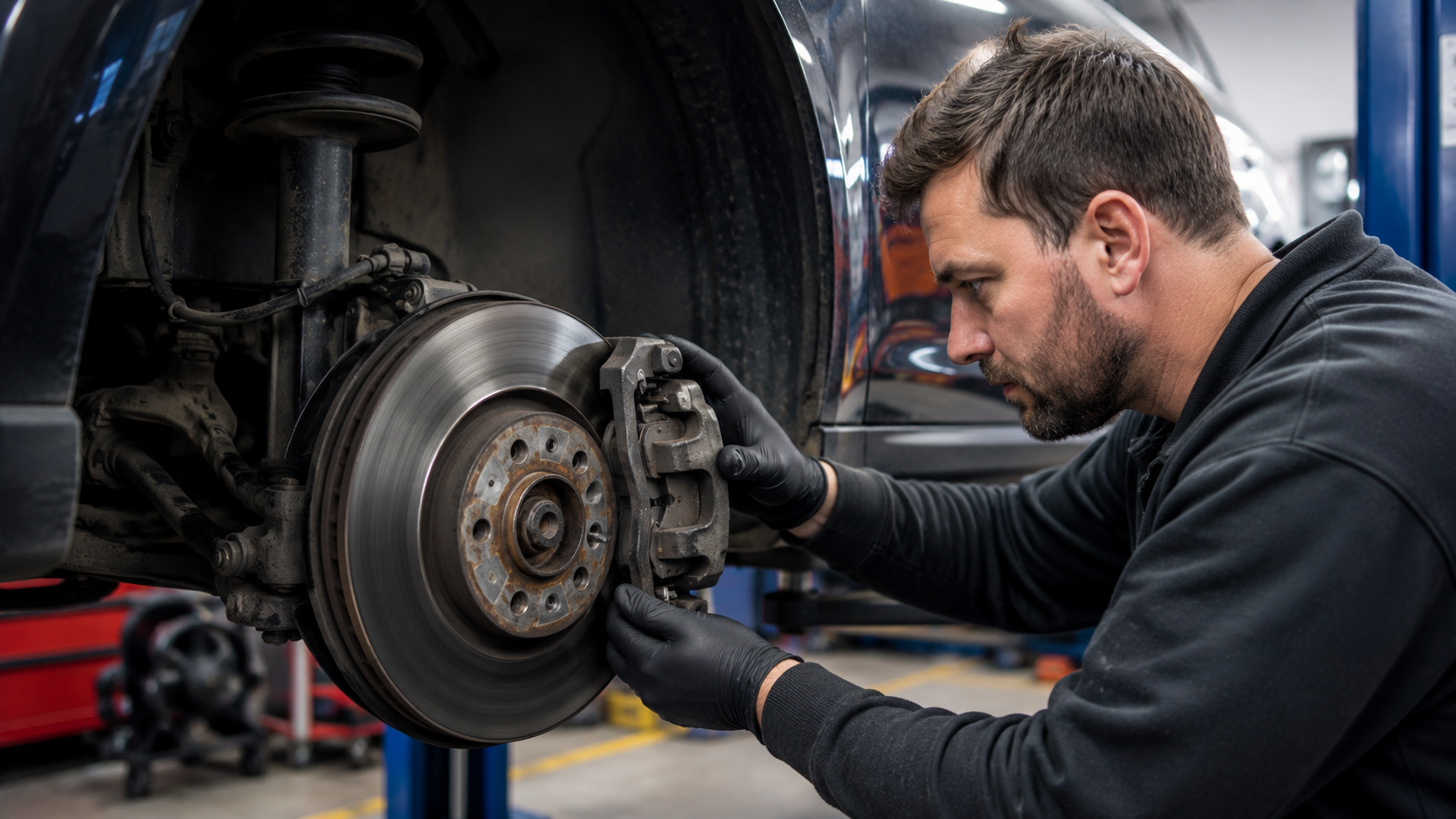
When pads and discs are brand new, their surfaces haven't yet mated together. The 30-30-30 rule deposits a thin, even layer of pad material onto the disc, known as transfer film. That film is what gives smooth, consistent braking, so skipping it means your new brakes never quite perform as they should.
Why the 30-30-30 Rule Matters
It's tempting to assume new brakes work perfectly straight away, and they do work, just not at their best. Bedding them in properly with the 30-30-30 rule brings several real benefits.
Done correctly, it lays down an even transfer film, which means quieter, smoother braking and better stopping power from day one. Skip it, and the pad material transfers unevenly, creating hot spots on the discs. Those hot spots are what cause the annoying squeal, and the judder or vibration you feel through the pedal or steering wheel. Over time, uneven bedding also leads to glazing, where the pads overheat and turn hard and shiny, losing grip, and it can even warp the discs, meaning an early and avoidable replacement. In short, a few minutes of careful bedding-in protects the money you've just spent.
How to Do the 30-30-30 Rule Safely
The procedure itself is straightforward, but do it sensibly and legally. Choose a quiet road or a large empty car park where you won't affect other traffic, and never treat it as an excuse to drive erratically.
- Build up to around 30 mph, then brake firmly and steadily (not an emergency stop) down to about 5 to 10 mph.
- Avoid coming to a complete stop, which can leave uneven pad deposits on a hot disc.
- Drive gently for around 30 seconds to let the brakes cool.
- Repeat this cycle about 30 times.
- Finish by driving at normal speeds for 10 to 15 minutes with light braking, so everything cools evenly.
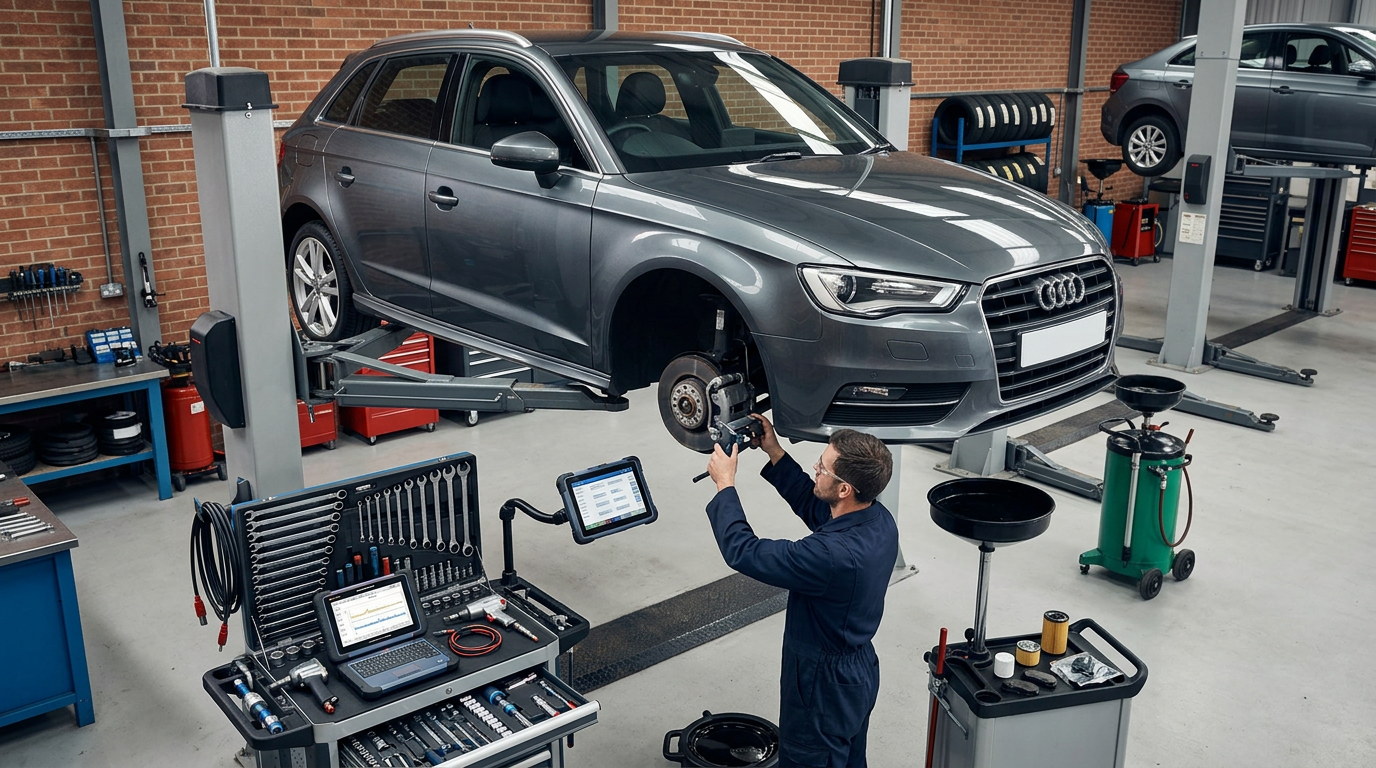
If that sounds like a faff, there's an easier option: a good garage will bed in your new brakes for you as part of the job. At Simply Motoring, we fit and properly bed in new pads and discs, so you drive away with your brakes working exactly as they should.
When to Replace Your Brake Pads and Discs
The 30-30-30 rule only comes into play once you've had new brakes fitted, so it helps to know when to replace brake pads in the first place. The clearest signs are a high-pitched squeal when braking (the wear indicator doing its job), longer stopping distances, a spongy pedal, or the car pulling to one side. A grinding noise means you've left it too long and the pads are down to the metal, which scores the discs.
As a guide, most garages recommend replacing pads at around 3mm of material left, while the legal MOT minimum is 1.5mm, which is already considered unsafe. Discs don't always need doing at the same time, since pads typically wear out two or three times before the discs do. But if the discs are below their minimum thickness, scored or warped, they should be replaced together, because new pads won't bed in properly on worn discs. A quick car brake inspection is the easiest way to know exactly where you stand.
How Much Does Brake Replacement Cost
Knowing rough costs helps you judge a fair quote. In 2026, the typical brake pad replacement cost in the UK is around £100 to £135 per axle for the front, with the rears often similar or slightly less. If you need all four corners done, expect roughly £230 to £540 depending on the car.
When the discs need doing too, the bill rises. A brake pad and disc replacement cost is usually somewhere between £190 and £400 per axle for a standard family car, and higher for premium or performance models. So when you ask how much to replace brake pads, the honest answer depends on whether it's pads alone or pads and discs together, your car, and the grade of parts used. It's often more economical to replace the brake pads and discs together per axle when the discs are borderline, since it saves paying twice for the labour. You can see our transparent pricing before any work begins.
Getting Your Brakes Checked in Doncaster
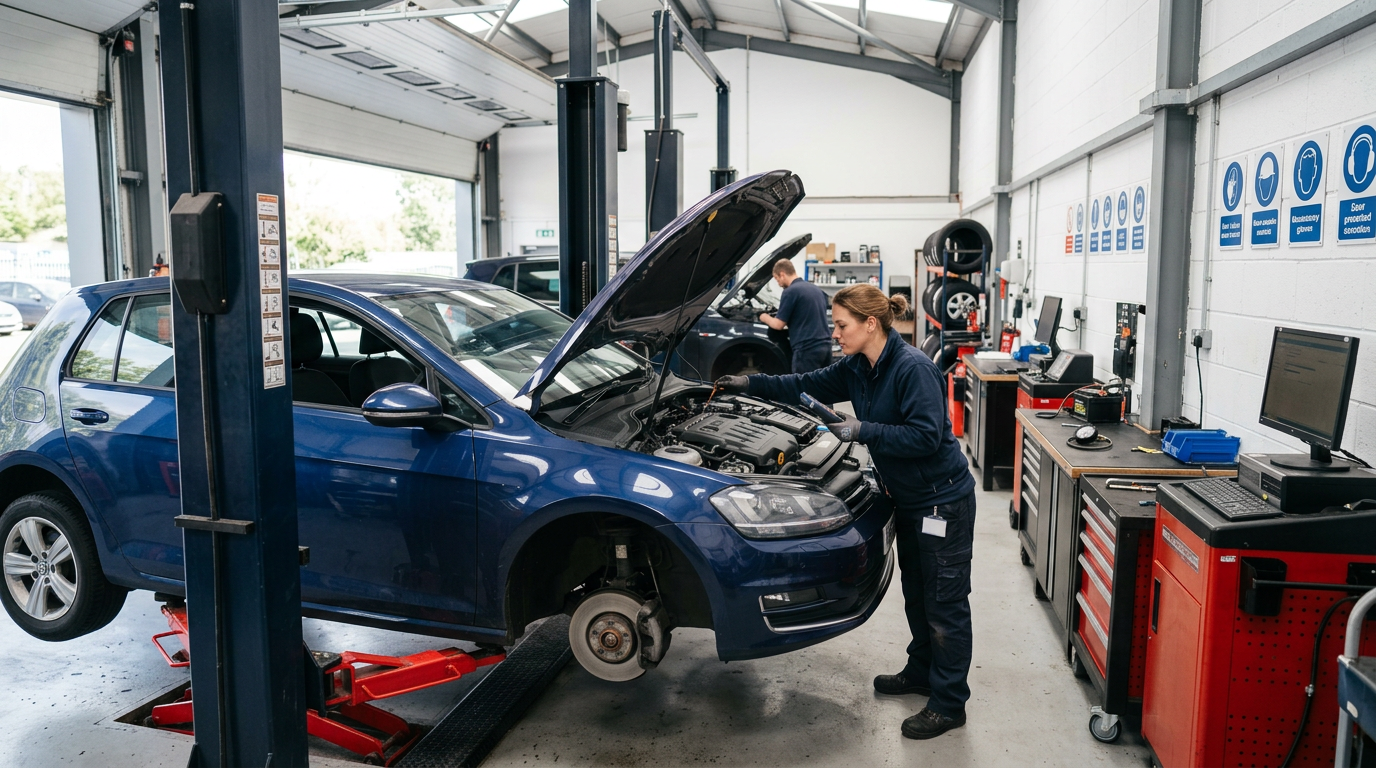
Because brakes are one of the most common MOT failures, and one of the most important safety systems on your car, it's worth having them checked at the first sign of trouble rather than waiting. If you've been searching for brake pad replacement near me, look for a garage that inspects and measures properly, tells you honestly whether you need pads, discs or both, and beds in any new brakes correctly.
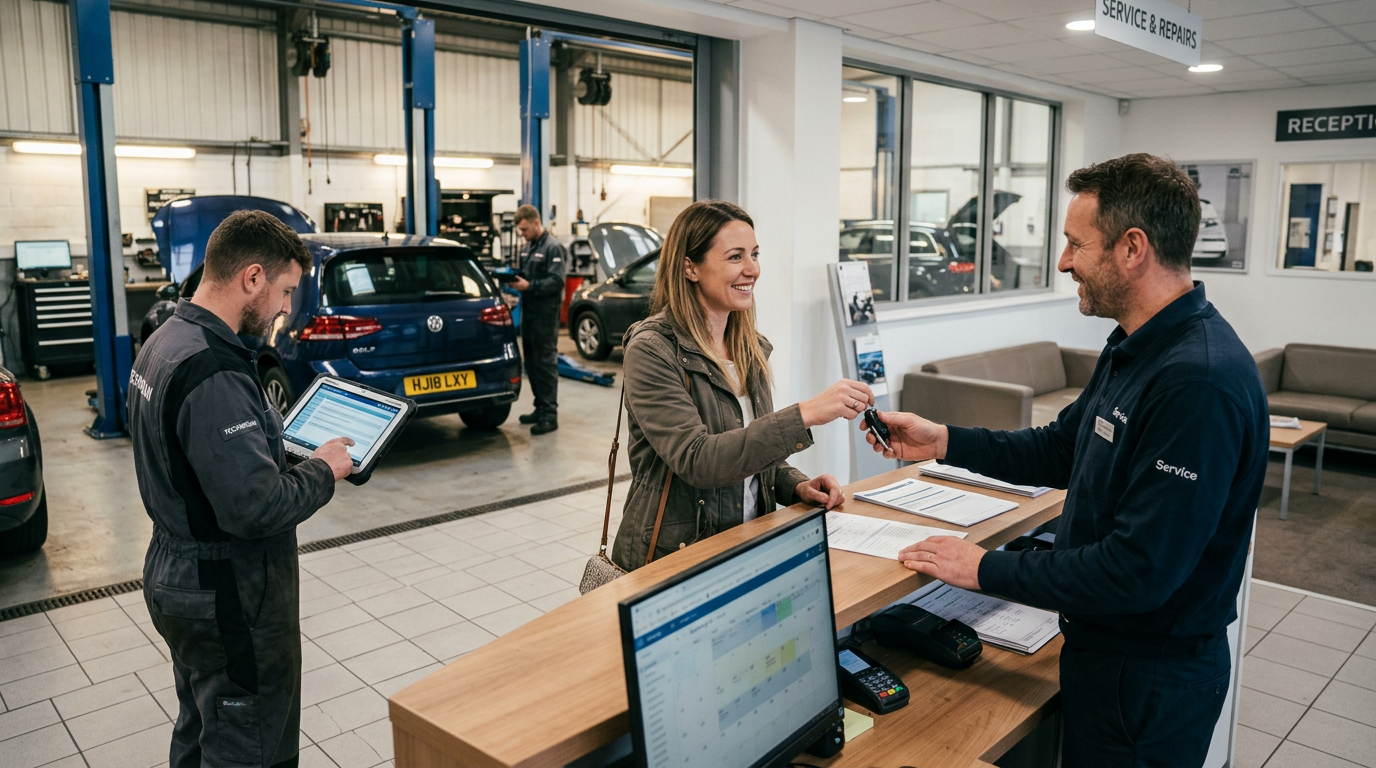
Simply Motoring is a DVSA-approved garage in Doncaster offering brake inspections, pad and disc replacement, and all our servicing and repairs in-house, with honest pricing and no pressure. We'll check your brakes, explain exactly what they need, and make sure any new ones are bedded in so you feel the difference straight away.
Conclusion
The 30-30-30 rule for brakes, 30 stops from 30 mph with 30 seconds of cooling between each, is a simple habit that makes new pads and discs quieter, safer and longer-lasting. It takes only a few minutes, and it protects the money you've just spent. Whether you do it yourself on a quiet road or let your garage handle it, bedding in new brakes properly is well worth the effort.
For drivers in Doncaster, Simply Motoring offers DVSA-approved testing, honest pricing, expert technicians and brake work carried out and bedded in on site, with no jargon and no pressure. Book a brake check with Simply Motoring today, or get in touch if you have any questions first.