
The MOT is one of those things drivers worry about more than they need to. Get the basics right and it's a quick, inexpensive annual formality. This complete guide covers what an MOT tests, how to know when your MOT test is due, what happens if you fail, and the simple checks that help you pass first time.
When Is Your MOT Test Due
Let's start with the question that catches most people out: when is your MOT test due? In the UK, a car needs its first MOT three years after it was first registered, and then once every 12 months after that.
The easiest way to run an MOT test check is on the GOV.UK website: enter your registration and it shows your exact due date, along with your test history. It's free, takes seconds, and you can sign up for a free reminder by text or email so you never miss it. A useful tip: you can have the test done up to one month minus a day before it expires and keep the same renewal date, so you don't lose any time. There's no grace period once it expires, though, and driving without a valid MOT can mean a fine of up to £1,000, so it pays to know your date and book ahead.
What an MOT Test Checks
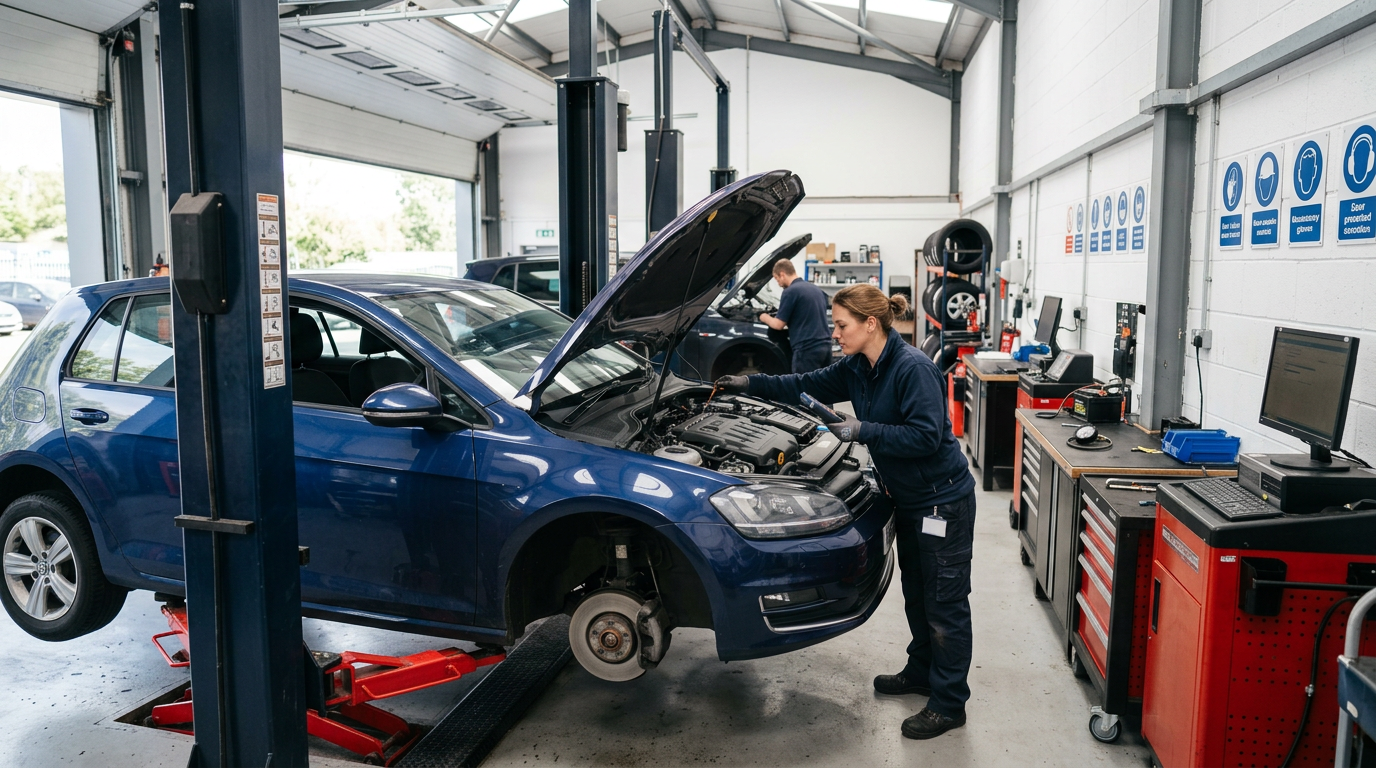
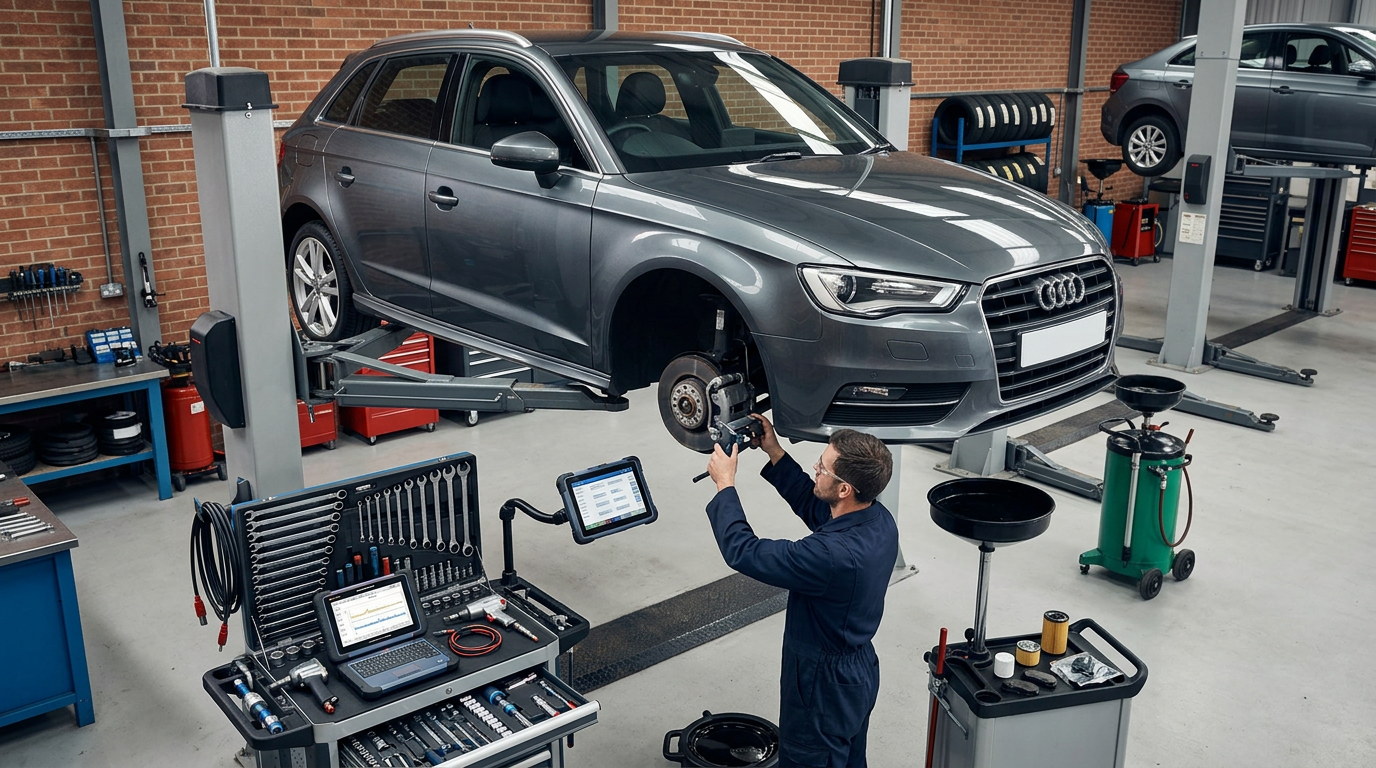
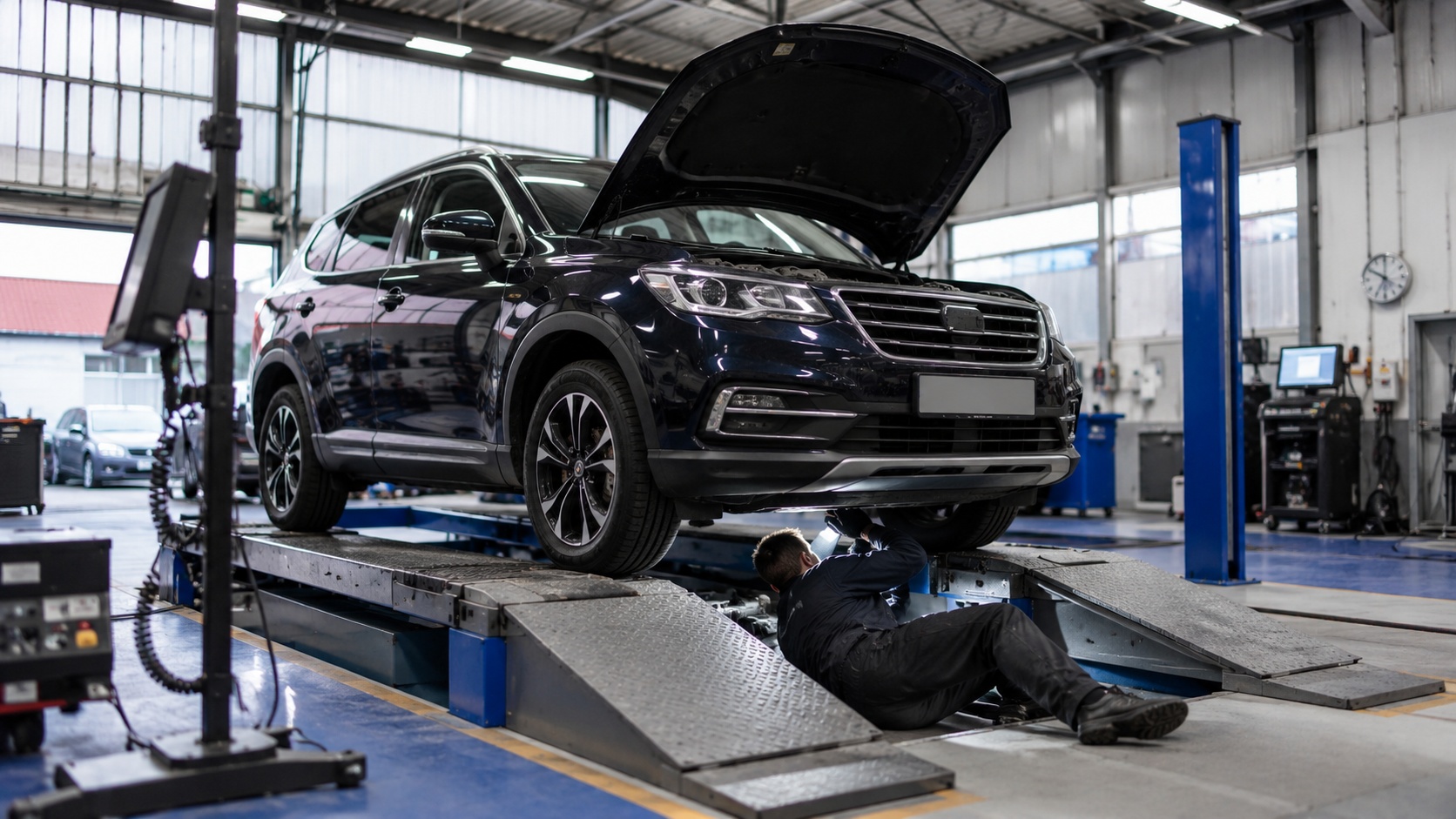
An MOT is a check of the parts of your car that affect safety and emissions. The tester works through your lights and indicators, brakes, tyres and wheels, steering and suspension, seatbelts, mirrors, windscreen, wipers and washers, the horn, number plates, exhaust and emissions, and the general condition of the body and structure.
It's a thorough visual and functional inspection rather than a strip-down, so the engine isn't taken apart. Electric and hybrid cars are tested too, and from 2026 testers pay extra attention to high-voltage components like the orange cabling and the charging port. Remember that an MOT is not a service: it confirms your car is roadworthy on the day, but it isn't the same as the maintenance that keeps it running well.
What Happens If Your Car Fails, and Retests
Your result will be a pass, a pass with advisories (things to keep an eye on), or a fail listing major or dangerous faults. If your car fails and the old certificate has expired, you can't drive it away, especially with a dangerous fault.
The good news is that retests are usually cheap or free. In Great Britain, if you leave the car at the test centre and have it retested within ten working days, the partial retest is typically free or reduced. Most failures are for simple things, so a quick pre-test check goes a long way. It's worth noting that Northern Ireland runs a separate system: there, MOTs and any mot test ni retest are handled by the DVA at government test centres and booked through nidirect, with its own retest window and fees, rather than by private garages as in the rest of the UK.
How to Pass First Time: Your Pre-MOT Checklist
Around a third of cars fail their first MOT, and the most common reasons are simple, avoidable faults. Running through a quick mot test checklist the day before can save you a wasted retest:
- Lights: check every bulb, including brake lights, indicators, fog and number plate lights.
- Tyres: look for at least 1.6mm of tread and check for damage, and don't forget the pressures.
- Screenwash: top it up, as an empty bottle is a genuine fail item.
- Wipers: replace any that are split or leave smears.
- Number plate: make sure it's clean, secure and readable.
- Mirrors and windscreen: check for cracks or damage in the driver's line of sight.
- Warning lights: if any are lit on the dashboard, get them looked at first.
- Horn and seatbelts: a quick test of each takes seconds.
None of these need a mechanic, and sorting them beforehand is the single easiest way to pass first time. If in doubt, a garage can give the car a quick once-over before the test.
How to Check Your MOT History
Every MOT is recorded digitally, so you can view your full mot test history for free on GOV.UK using just your registration number. It lists past results, recorded mileage and any advisories going back years.
This is especially handy when buying a used car. The history can reveal recurring problems, whether past advisories were ever fixed, and whether the recorded mileage climbs consistently, which helps flag a possible clocking issue. For your own car, checking the history each year shows you which advisories are worth acting on before they turn into failures.
Booking Your MOT in Doncaster
When it's time to book, a DVSA-approved garage can carry out your MOT and sort any repairs in one place, which is far more convenient than testing and repairing separately. Booking a week or two before your due date gives you time to fix anything without driving illegally.
Simply Motoring is a DVSA-approved garage in Doncaster offering MOT testing, repairs and servicing under one roof, with honest pricing and no pressure. Many drivers combine their MOT with a full service to save a second trip, and you can see our transparent pricing before you book.
Conclusion
An MOT doesn't need to be stressful. Your car needs its first test at three years, then annually; you can check when your MOT test is due for free online and test up to a month early without losing time; and most failures come down to simple faults you can check yourself. Stay on top of your due date, run through the checklist, and it becomes a quick yearly formality.
For drivers in Doncaster, Simply Motoring is a DVSA-approved garage offering honest pricing, expert technicians and any repairs carried out on site, with no jargon and no pressure. Book your MOT with Simply Motoring today, or get in touch if you have any questions first.